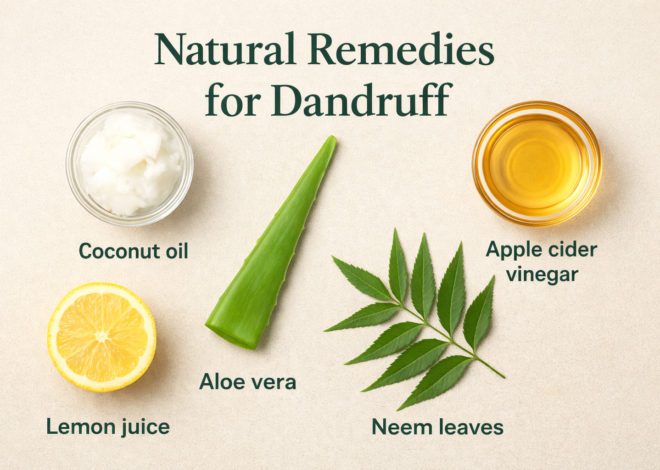
My hair used to look healthy from afar, but felt rough as soon as I touched it. When split ends, dryness and an unrelenting frizz were clear signs that my strands weren’t healthy. If you have damaged hair like I do, that is something you probably identify with.
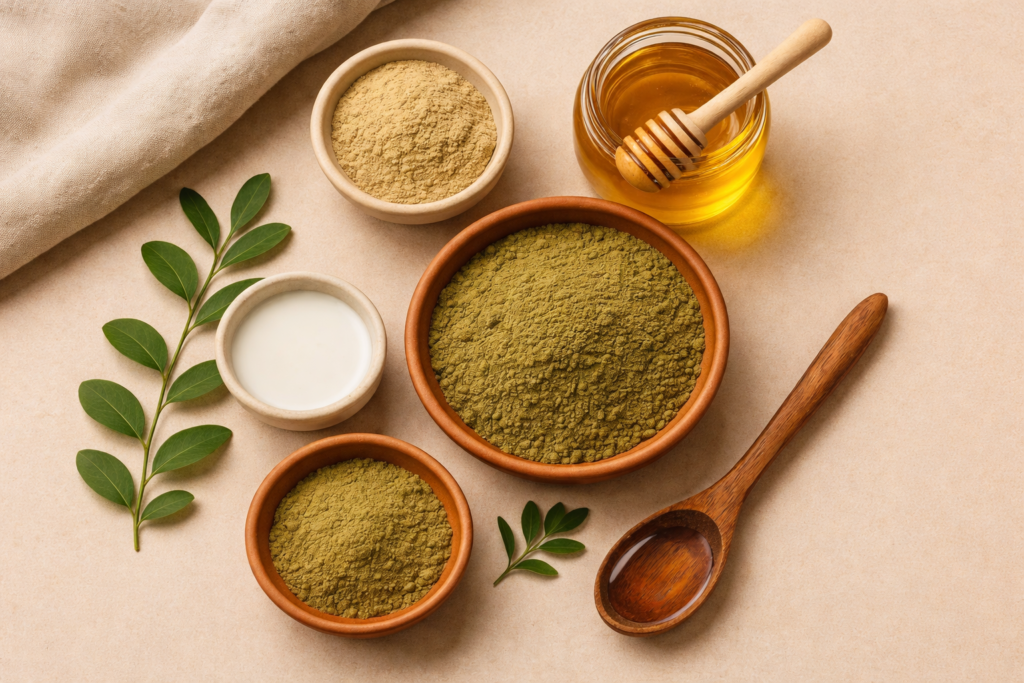
From heat damage to chemical treatments, pollution, and even poor diet, damaged hair can be a gradual downfall. The good news is that you don’t have to get expensive salon treatments to remedy it. These simple habits and natural remedies can help you repair your damaged hair at home naturally. Let’s understand how.
What Causes Damaged Hair?
Before you attempt to repair damaged hair, it’s important to understand exactly what caused it in the first place.
Common reasons include:
- Frequent heat styling
- Excessive coloring or chemical treatments
- Overwashing
- Using harsh shampoos
- Poor scalp health
When it comes to damaged hair, sometimes the issue is not just with the strands. It starts at the scalp. If your scalp is not healthy, then your hair will have a hard time growing strong. This is where a proper routine matters If you are still uncertain on a fundamental level, go back to Simple Hair Care Routine for Beginners 2026 and gain some solid ground.
Healthy habits are the foundation of healthy hair.
1. Trim Split Ends Regularly
Trimming of split ends is one of the easiest ways to manage damaged hair. Though it won’t restore hair like magic, trimming stops damage from traveling up the hair.
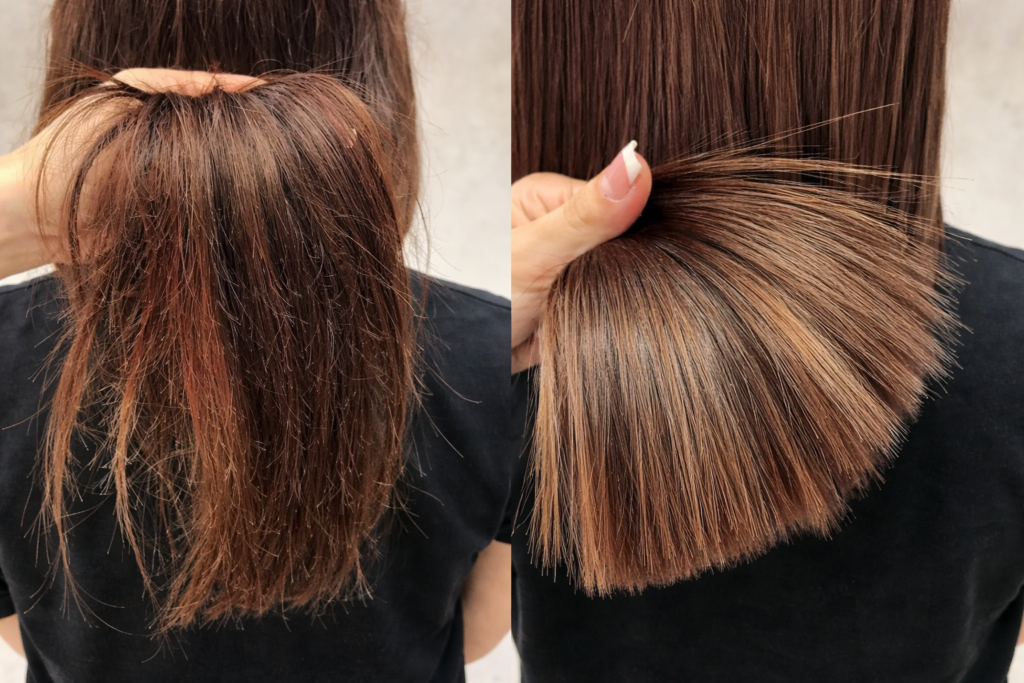
Try to:
- Trim every 8–10 weeks
- Remove visibly split ends
- Avoid delaying trims
Not addressing split ends makes already damaged hair progressively worse. Regular maintenance also makes your strands look healthier.
2. Utilize Natural Oils for Intensive Moisturization
Home Remedies for Damaged Hair Natural Oils. They slowly replace moisture and improve texture.
Good options include:
- Coconut oil
- Almond oil
- Argan oil
Heat the oil gently and rub it through your roots and lengths. Allow it to sit for one or two hours before washing. Eventually, your hair will become softer and less brittle from regular usage. One-off well oiling is easy, but more important in consistency.
3. Avoid Excessive Heat Styling
Another lead cause of hair damage is heat. Curling irons and straighteners suck out natural moisture from your strands.
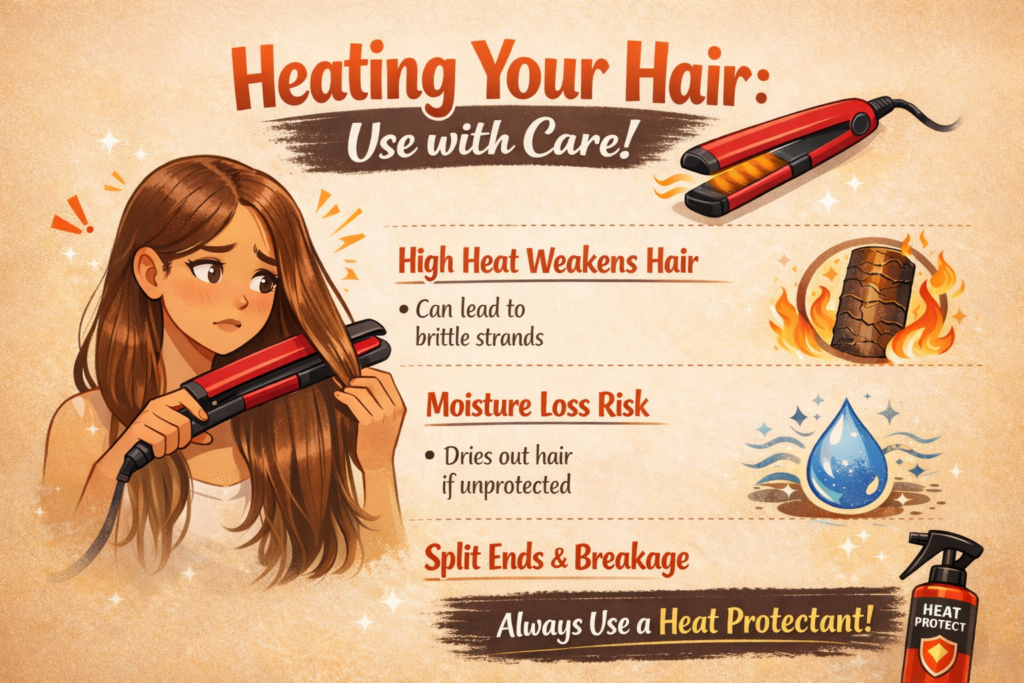
To reduce damage:
- Use heat styling tools sparingly — only for special occasions
- Use heat protectant spray
- Choose low heat settings
Letting your hair take a heat hiatus gives it time to heal on its own. Minor alterations can cumulate to significant difference over time.
4. Improve Your Hair Washing Routine
Overwashing, for example, can strip natural oils and exacerbate damage. Frequent washing can lead to dry, weak hair.
Instead:
- Wash 2–3 times a week
- Use mild, sulfate-free shampoo
- Always apply conditioner
Conditioner restores moisture and smoothness. It is important when dealing with distressed hair.
Simplify your routine if you are layering too many growth treatments on top of washing. Read Know It All About Affordable Hair Growth Products to grow and repair in balance wisely. Repair first, growth next.
5. Try Aloe Vera for Hair Repair
Aloe Vera: It is famous for its soothing and moisturizing properties. It can soothe dryness and minimize rough texture.
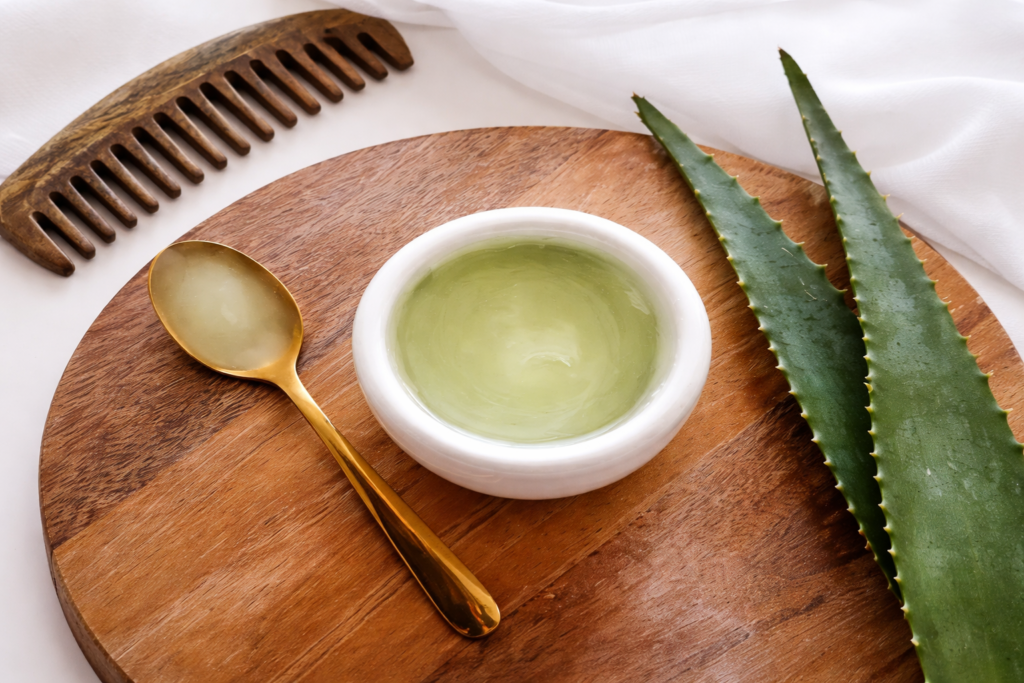
How to use:
- Use new aloe gel on your hair
- Leave for 30 minutes
- Rinse with lukewarm water
Aloe also works to hydrate damaged hair without weighing it down. Frequent use can enhance shine and softness. Home remedies take time to work instead of overnight.
6. Protect Your Hair While Sleeping
Many people overlook nighttime care. Cotton pillowcases create friction that leads to more damaged hair.
Simple steps include:
- Switch to a satin or silk pillow case
- Avoid tight hairstyles before bed
- Gently detangle before sleeping
Such small habits keep breakage and friction down. Sometimes repair is about prevention.
7. Focus on Scalp Health
A dry scalp, or one that’s flaking, can also make its mark on your strands. Damaged hair often responds when scalp health improves.
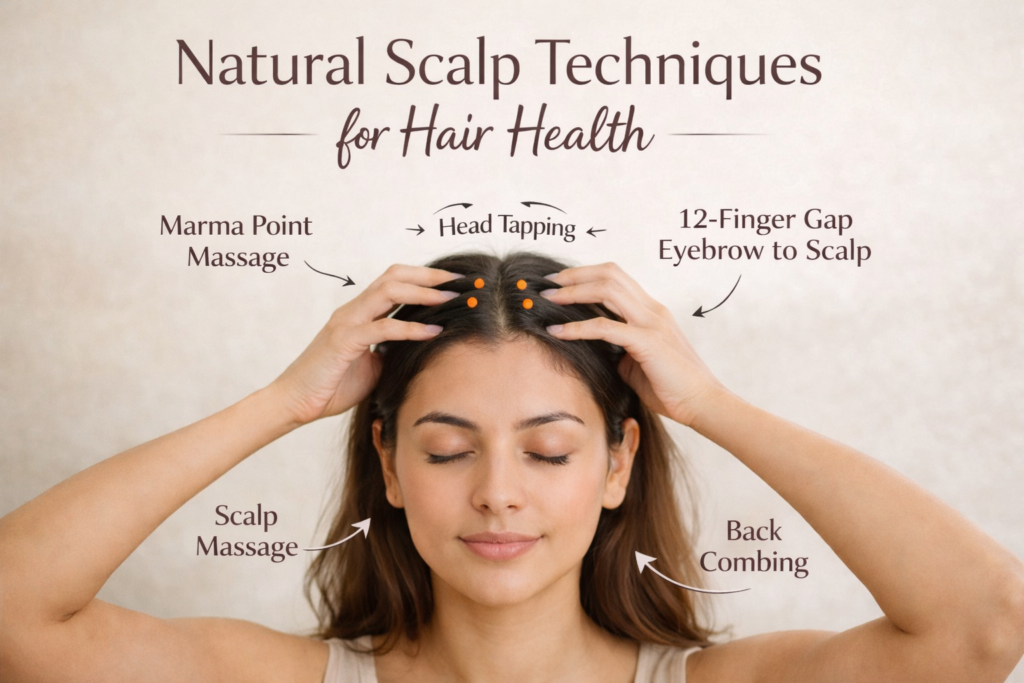
Maintain scalp care by:
- Massaging gently during oiling
- Avoiding product buildup
- Treating dandruff properly
An easy way out, for flakes as a part of it, you can refer to How to Remove Dandruff Naturally at Home. Strong roots support healthier strands.
How Long Does It Take to Restore Damaged Hair?
Repairing damaged hair takes patience. You might see a decrease in frizz in just weeks. Visible changes in texture and strength may come within 2–3 months.
Hair repair is not instant. It is a slow process, one that occurs over time based on regular attention to detail. Be patient and do not change treatments too soon.
Common Mistakes That Worsen Damaged Hair
Some habits that make damaged hair worse, even with the best of intentions:
- Brushing wet hair aggressively
- Skipping conditioner
- Using harsh chemical products
- Ignoring regular trims
When fixing delicate strands, gentle handling is everything.
Final Thoughts
If you have a damaged hair, there is hope to repair damaged hair naturally at home. Emphasize cutting split ends, conditioning with oils, cutting down on heat, and keeping a balanced wash routine.
Healthy hair does not come back overnight. But with perseverance, damaged hair can gradually recover its softness, shine and strength. Small steps taken consistently yield real results.
Stay Connected With Us
If you are all about practical hair care advice and natural repair tips, lets stay updated!
Follow us here:
Instagram: https://www.instagram.com/hair.care.hub5/
Facebook: https://www.facebook.com/profile.php?id=61586781056139
Pinterest: https://www.pinterest.com/haircare_hub23/
Be part of our community for more down to earth and simple beauty advice.
Frequently Asked Questions
1. Is it possible to actually repair damaged hair?
There is no reversal for a damaged strand, but the way you care for your hair can make it look more appealing and halt further destruction.
2. How frequently should I apply oil to damaged hair?
A little food goes a long way, once or twice a week is usually all the nourishment they need.
3. Does trimming make damaged hair grow faster?
Which brings me to, the trimming process prevents split ends from traveling up the hair shaft, however it does not speed anything up.